

Table of Contents
1. The Shift Toward Emotional UX
2. The Role of Surround Audio Drama
3. Layering Emotion Into Casino Interfaces
The Shift Toward Emotional UX
The modern casino, whether physical or online, thrives not just on luck but on design psychology. The aesthetic, the rhythm of buttons, even the tone used in tutorials, all shape emotion in subtle ways. Online platforms such as https://online-ninecasino.org/ have learned that a user’s reaction within the first 10 seconds determines not only how long they stay but how they feel about the entire experience. That small detail—how emotion interacts with usability—has become the heart of UX in gambling.
Sometimes I think about how much effort goes into making something look effortless. The soft glow around a “Spin Now” button feels casual, yet it took data scientists, designers, and behavioral experts to create that inviting hue. It’s not manipulation, perhaps, but calibration. Casinos realized ages ago that emotion equals engagement. Players no longer chase the jackpot blindly; they chase the feeling of near-win anticipation.
The Role of Surround Audio Drama
Sound isn’t decoration anymore. In immersive casino platforms, audio storytelling turns each spin, each card reveal, into a mini piece of drama. Background music adapts based on gameplay tempo. The well-placed ring of coins feels less like a sound effect and more like a reward signal. That’s how dopamine meets user retention.
Professional audio engineers now discuss “gaming dramaturgy,” an approach originally used in theater. They layer acoustic landscapes that mimic physical casinos, where you can almost hear a server laugh in the distance or someone whisper a lucky number behind you. For a moment, your home feels like a gaming floor. In testing, users described feeling “surrounded by possibility,” which was a phrase that truly stuck with me.
Layering Emotion Into Casino Interfaces
Interactivity feels alive when design supports anticipation. Think about when you start a slot session and the reels pause just slightly longer on high-value symbols. That fraction of a second is designed to encourage excitement, not frustration. UX designers talk about “emotional thresholds,” the balance between frustration and thrill where engagement peaks.
Casino developers incorporate what’s known as the emotional UX loop, which balances between chaos and control. Randomness drives the game, but predictability drives comfort. When these two opposites merge properly, players keep coming back.
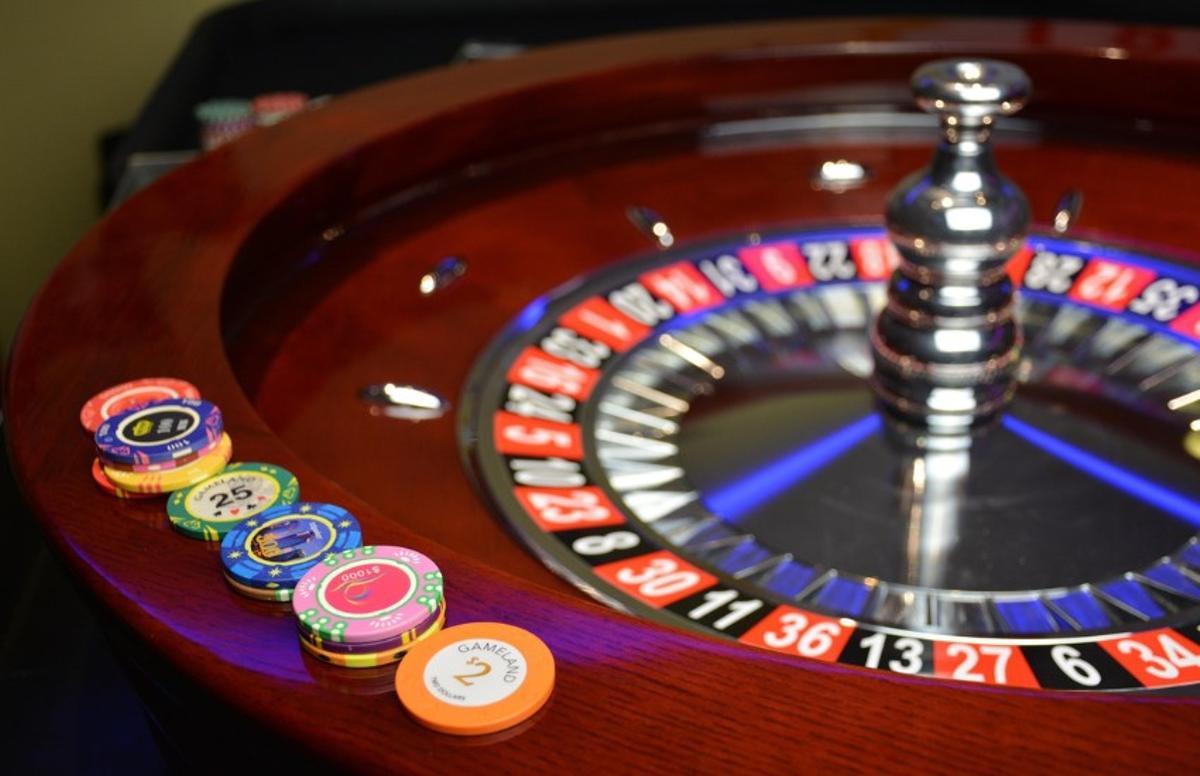
I remember testing an interface prototype for an online roulette system where each button press had a soft tactile sound layer blended with realistic wheel rotation. It felt oddly real, almost like touching a tangible surface. That sensation can make or break immersion. When the design invites the senses, trust follows, and trust is the backbone of any gambling platform.
Infobox: In many casino studies, emotional intensity correlates directly with brand loyalty. Engineers and psychologists now work hand in hand to simulate “flow states” that resemble live casino excitement but in a digital environment.
Visual and Data Integration in Design
At the crossroads of art and analytics stands the design table, both literal and metaphorical. Designers review player journey maps, charted like psychological landscapes. Below is an example table that represents a simplified version of emotional transition over gameplay time in online casino environments:
| Gameplay Phase | Dominant Emotion | Sound or Visual Cue | Average Session Retention (%) |
| Onboarding | Curiosity | Soft music, warm color palette | 92% |
| First Spin | Excitement | Coin sounds, visual flash | 85% |
| Mid-Session | Focus | Ambient hum, consistent rhythm | 73% |
| Big Win | Euphoria | Triumphant melody, bright animations | 97% |
| End Session | Reflection | Soft fade-out tones, balance summary | 68% |
While the numbers vary depending on the platform, the general trend is striking. Engagement spikes whenever sound and motion align emotionally. Casinos have learned to craft rhythm as much as mathematics. Perhaps the subtle hum of suspense just before the outcome isn’t random at all—maybe it’s carefully engineered empathy.
We shouldn’t underestimate that design also adjusts to trust-building functions like registration steps and payment gateways. Seamlessly integrated visuals help players feel safe when entering personal information. Smooth transitions and consistency in lighting or contrast subtly tell the player, “you are still in the same, secure place.” The difference between curiosity and caution often comes down to color tone or transition speed.
FAQ
What makes casino UX different from other types of UX?
Casino UX deals heavily with emotion-driven interaction. Unlike e-commerce or productivity software, gambling design centers around unpredictability, reward anticipation, and immersive storytelling through visual, sound, and interactive cues.
How does surround audio affect player retention?
Audio immersion shapes player engagement by reproducing the atmosphere of live gaming environments. Consistent auditory design helps maintain flow, especially by reinforcing key emotional moments like near-wins or bonuses.
Can emotion in design be measured?
Yes, via biometric methods and user behavior tracking. Designers often observe gaze duration, heart rate, or click pacing to adjust sensory tuning. The emotional feedback loop is not abstract anymore—it’s data.
Is realistic audio always beneficial?
Not necessarily. Overly complex soundscapes can fatigue players. The current trend leans toward adaptive acoustics that react to session length and performance, maintaining engagement without sensory overload.
Reviews
During informal review sessions, players shared mixed yet insightful impressions. One tester said, “When the lights dimmed slowly after a win, I didn’t want to leave.” Another mentioned that the mild echo surrounding the digital roulette wheel made them feel like they were “inside the machine,” which sounds odd but meaningful.
Designers, too, reflected on learning from psychology more than code. One lead audio producer described how adding a 300-millisecond silence between music loops created space for emotional breathing. These minute details accumulate into something bigger—a believable world that exists somewhere between theater and algorithm.
So while casinos will always be about chance, their environments, both visual and acoustic, are increasingly about connection. UX, emotion, and surround audio drama don’t just merge; they make the digital gamble feel human.